Forest Management & Timber Stand Improvement
A healthy forest is more than a collection of trees.
It is a diverse ecosystem where native tree species, understory vegetation, wildlife, soil, and other natural resources work together. Without proper management, certain tree species can become overly dominant, competing for sunlight, nutrients, water, and growing space while limiting the diversity and long-term health of the woodland.
At Tru Habitats, we provide professional forest management and timber stand improvement services throughout Central Minnesota, designed to create healthier, more diverse, and resilient forests.
By evaluating existing forest conditions and selectively managing competing or undesirable vegetation, we can help improve tree growth, encourage desirable native species, and support the long-term health of your woodland.
Timber Stand Improvement
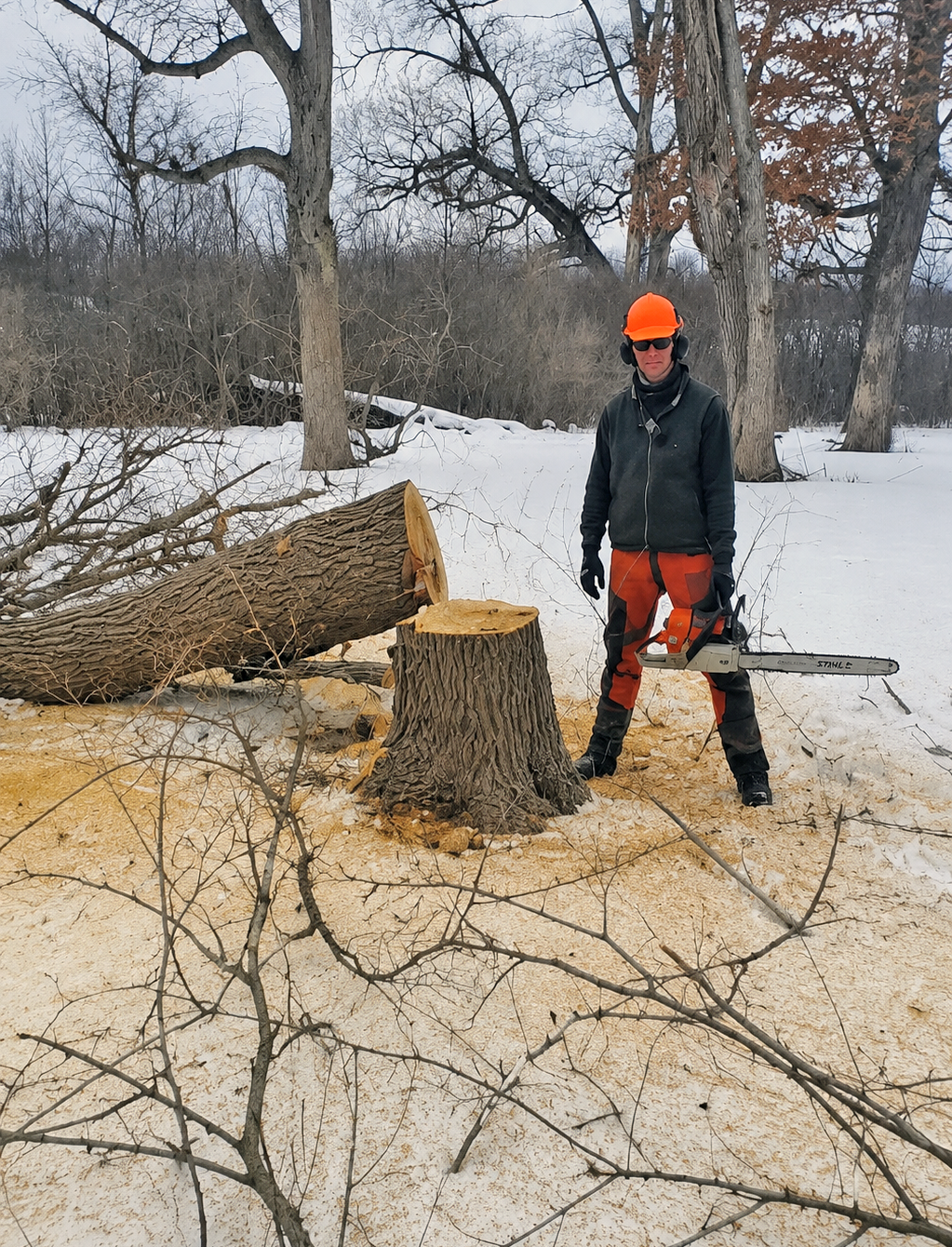
Timber stand improvement (TSI) uses selective forest management practices to improve the overall quality and composition of a wooded property. This may include reducing overcrowded or undesirable trees, releasing high-quality native trees from competition, encouraging natural regeneration, and creating better growing conditions for desirable species.
Rather than simply removing trees, timber stand improvement focuses on what the forest will become.
Thoughtful management can increase forest biodiversity, improve tree health and vigor, enhance wildlife habitat, and create a more sustainable woodland ecosystem for years to come.